
Chapter 3
Religion
Chapter 3
Religion
INDEX
1_BART D ERHMAN
2_PAULOGIA
3_CHRISTOPHER HITCHENS
4_GEORGE CARLIN
1_BART D ERHMAN
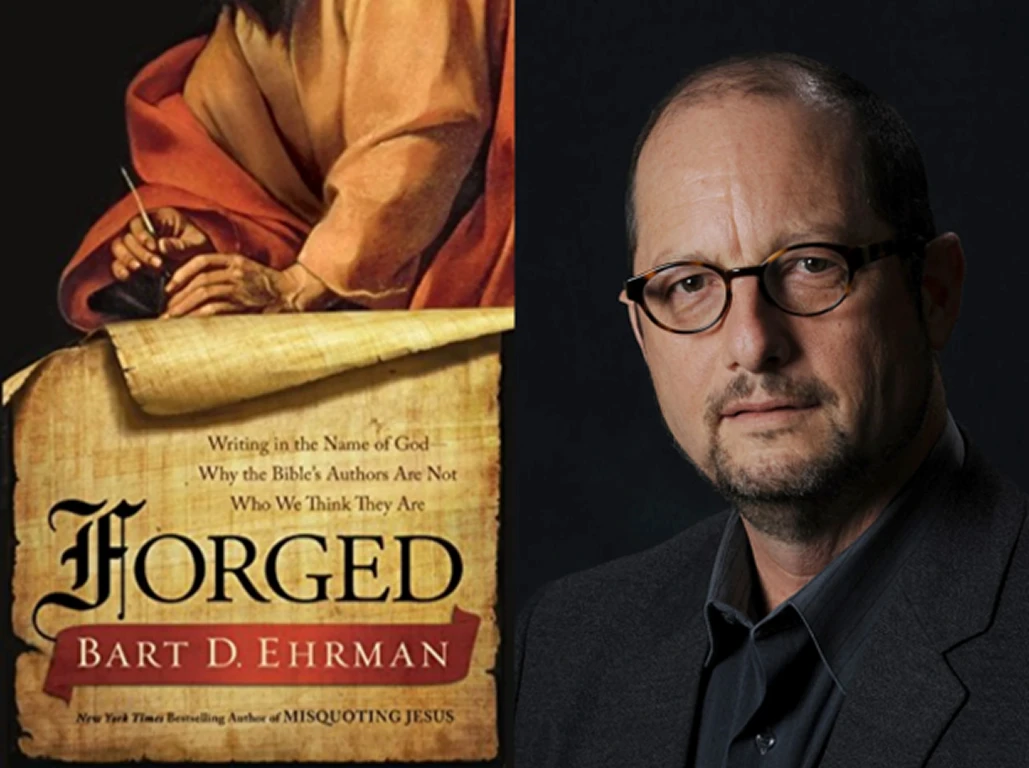
Ehrman has said that he is both agnostic and atheist but that “I usually confuse people when I tell them I’m both”. “Atheism is a statement about faith and agnosticism is a statement about epistemology”, he said.
Dr. Neil hamson-critical theology,
2_PAULOGIA
Analysis of religious claims.
3_CHRISTOPHER HITCHENS
christopherhitchens.net deceased.
Christopher Hitchens was a world renowned and oft-controversial philosopher, journalist, novelist and debater that spent the majority of his life involved in debates with those whose views he disagreed with, providing lectures and appearing on talk shows regularly throughout his professional career. Born on April 13, 1949, his quick wit and seemingly endless philosophical knowledge helped to create his legacy that still remains to this day, even after his death on December 15, 2011.
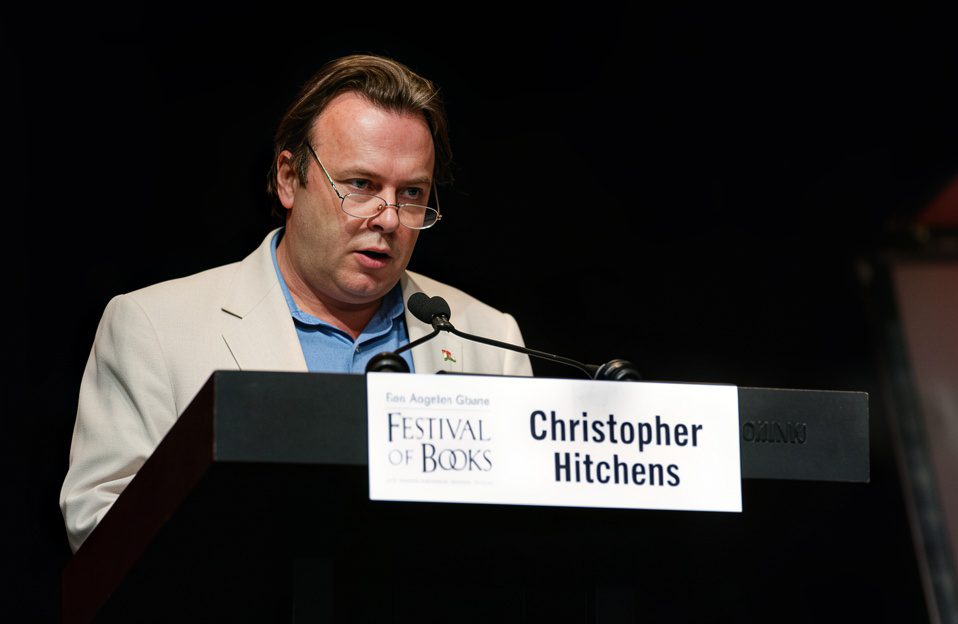
Christopher Hitchens was born in Hampshire, England a few years after the war that brought his parents together. As his father was a Royal Navy Officer, he moved a variety of times throughout his childhood. From an early age, he was drawn to a myriad of different novels and essays, such as ‘Crime and Punishment’ and ‘Religion and the Rise of Capitalism’ by R.H. Tawney. It is here that the roots for his ideologies and beliefs began to grow, which was bolstered in the 1960’s, when his political agenda was swayed to the left by his growing anger over a plethora of social issues prevalent at this time, primarily that of the Vietnam War.
When hearing the name of Christopher Hitchens, many people begin to think of his controversial religious debates, lengthy essays and novels, as critiquing the basis of religion was one of the foremost aspects of his storied character. His views on religion stemmed from his early life as a member of Trotskyism, a sort of ideological movement that was founded by Leon Trotsky and centered around the core beliefs of Marxism. However, it wasn’t merely Christianity in which he argued against, as he also focused his criticisms around what he referred to as the “three great Monotheisms, known as Christianity, Judaism and Islam. These religious movements helped provide the content for a number of his essays and novels, as well as the many religious debates he had on the subject. He even sought to debate against his younger brother, Peter Hitchens, a christian and conservative journalist. This heated debate included novelist Ian McEwan, Billy Bragg and Salman Rushdie and was televised on C-span in 1999.
It was Hitchens’ belief that organized religion was the very basis of hatred in the world. His first wholly religious novel, God Is Not Great, dealt specifically with these matters, deconstructing religion and replacing it with a more secular and scientific viewpoint on life. The 19 chapter, 336 page novel was published in 2007 and covered everything from the Abrahamic religions to Buddhism, using critical analysis to dispel the notion that religion is a force of good within the world, blaming it for being racist, bigoted, contemptuous towards women and irrational, among other slights. This novel catapulted to number two on the New York Times bestseller list for the first two weeks of its release and number one in the third week, proving that his controversial viewpoints, yet rational arguments in the defense of them, were becoming exceedingly popular throughout the world. While this novel was divisive among critics, readers have been relatively positive about the novel since its release.
During the same year as God Is Not Great, Hitchens also compiled a large amount of essays and writings centered around atheism and made it into a book titled The Portable Atheist, which included original work and essays by Ian McEwan and Salman Rushdie. Hitchens also wrote introductions to each of the essays he presented.
One of Hitchens’ most notable religious debates came in 2010, only a year before his death, in which he debated with the former British PM Tony Blair, who himself had recently been converted to Roman Catholicism. This debate mirrored many of Hitchens viewpoints within God Is Not Great, with him arguing once again that religion was not a form of good, an argument that Tony Blair disagreed with.
While the polling before the debate demonstrated a similar percentage of voters siding with both debaters, voting following the conclusion of the debate placed Hitchens as the clear winner. While the Tony Blair debate is likely among the most popular of Hitchens religious debates, his ones against such political and religious figures as Al Sharpton, Dinesh D’Souza and Rabbi David Wolpe are also among his strongest.
Many regarded his debating technique so concise and fierce, it was given the tongue-in-cheek nickname: the “Hitchslap“. The term is used on many videos of his debates posted on YouTube.
4_GEORGE CARLIN
Carlin began working in the late 1950s as a wisecracking radio disc jockey and low-key stand-up comedian known for such whimsical routines as “Wonderful WINO” and the “Hippy Dippy Weatherman.” Beginning in the 1970s, however, he transformed himself into a provocative and incisive anti establishment comic icon. Carlin was most closely identified with the monologue “Seven Words You Can Never Say on Television,” in which he satirically analyzed the use and misuse of seven of the raunchiest obscenities in the English language. Carlin was arrested in 1972 for performing the monologue onstage, but a judge dismissed the case. In 1973 New York City radio station WBAI-FM triggered a lawsuit by the FCC after it aired a recorded version of the routine called “Filthy Words.” The landmark “Carlin case” (Federal Communications Commission vs. Pacifica Foundation) was finally settled in 1978 by the U.S. Supreme Court: in a 5–4 ruling, it gave the FCC the ability to censor offensive content in radio and TV broadcasts.
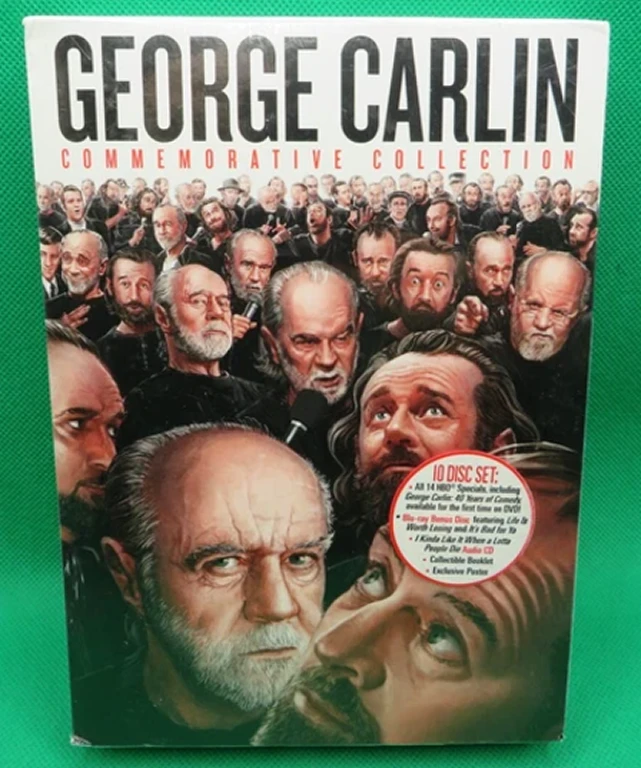
After being raised as a Catholic, Carlin outspokenly rejected religion, frequently criticizing and mocking it in his routines. When asked if he believed in God, his response was, “No, there’s no God—but there might be some sort of an organizing intelligence, and I think to understand it, is way beyond our ability.”